Source Built in Gas Hob with Grill and Steam Oven for Kitchens
Explore 18 listings for a built in gas hob with grill and steam oven featuring stainless steel or glass panels. Buyers can compare models with 2 to 5 burners, various ignition modes, and certifications like CE, CB, and UL from Guangdong manufacturers.
Key considerations
Products List


Comprehensive Sourcing Guide
Strategic Sourcing Guide for Built-in Gas Hobs with Integrated Grill and Steam Oven Capabilities
Understanding the Integrated Cooking Ecosystem
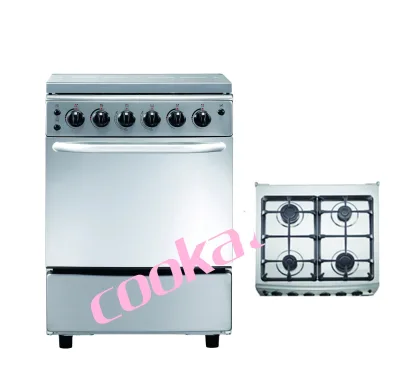
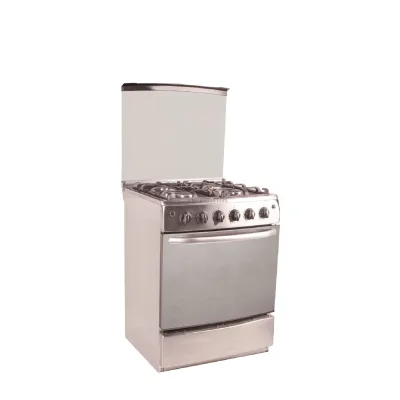
The procurement of a built-in gas hob with integrated grill and steam oven capabilities represents a significant investment in commercial or high-end residential kitchen infrastructure. Unlike standalone units, these integrated systems require precise coordination between fuel delivery, ignition mechanisms, and thermal management systems. Based on current market observations, the core product category encompasses units designed for built-in and slide-in installations, offering a seamless aesthetic while delivering high-performance cooking functions. Buyers must recognize that the term "built-in gas hob with grill and steam oven" often refers to a modular configuration where the cooktop (hob) and the oven unit are distinct but functionally linked components within a single cabinetry footprint. The observed product landscape includes models with varying burner counts, ranging from two to five burners, and diverse material compositions such as stainless steel, tempered glass, and ceramic surfaces.
The functional scope of these units is broad. While the primary focus is gas combustion, the inclusion of steam oven and grill functions necessitates a robust power source and specific control interfaces. The observed data indicates that suppliers offer configurations with self-cleaning capabilities, which is a critical feature for maintaining hygiene in high-volume environments. The fuel type is predominantly natural gas, though liquefied gas variants are also available in the market. This duality requires buyers to verify the specific gas compatibility of the unit against their local infrastructure before finalizing a purchase. The integration of a steam oven implies a need for water supply connections and specific ventilation requirements, which must be accounted for during the initial kitchen design phase.
Technical Specifications and Performance Metrics
When evaluating technical specifications, the number of burners and their firepower are primary determinants of the unit's utility. The market data reveals a clear segmentation in burner configurations, with some models featuring five burners to support simultaneous high-volume cooking, while others offer two burners for more compact applications. The firepower ratings observed range from below 3kW to approximately 3.99kW per burner, indicating a need for careful calculation of total thermal output based on the intended cooking load. For instance, a unit with a total heat power of 3.2kW, 1.65kW, and 1.0kW suggests a multi-zone control system designed for precise temperature modulation.
The ignition mode is another critical technical differentiator. The observed spectrum includes pulse-jet ignition, electronic ignition, and manual ignition systems. Pulse-jet and electronic ignition modes are generally preferred for their reliability and safety, as they eliminate the need for a continuous pilot light, thereby reducing gas consumption and the risk of unburned gas accumulation. The panel material also plays a significant role in the unit's durability and aesthetic appeal. Stainless steel is a dominant material choice, offering resistance to corrosion and high temperatures, while tempered glass and ceramic options provide a modern look but may require more specific cleaning protocols. The pan support materials, such as cast iron, enamel, or cast aluminum, directly impact the stability of cookware and the efficiency of heat transfer.
| Feature Category | Observed Specifications | Procurement Verification Point |
|---|---|---|
| Burner Count | 2 to 5 Burners | Verify total BTU/kW output against kitchen demand. |
| Fuel Type | Natural Gas, Liquefied Gas | Confirm compatibility with local gas supply pressure. |
| Ignition Mode | Pulse-Jet, Electronic, Manual | Prioritize electronic or pulse-jet for safety and efficiency. |
| Panel Material | Stainless Steel, Tempered Glass, Ceramic | Assess durability and maintenance requirements. |
| Installation Type | Built-in, Slide-in | Ensure cabinetry dimensions match unit cut-out specs. |
| Heat Power | Below 3kW to 3.99kW per burner | Calculate total thermal load for ventilation sizing. |
Compliance and Certification Verification
Navigating the regulatory landscape for gas appliances is paramount for ensuring safety and market access. The observed product data highlights a comprehensive array of certifications, including CB, CE, RoHS, Saso, UL, and UR. These certifications are not merely marketing labels but represent adherence to specific international safety and environmental standards. The CE marking, for instance, indicates conformity with health, safety, and environmental protection standards for products sold within the European Economic Area. Similarly, UL and UR certifications are critical for the North American market, ensuring that the electrical and gas components meet rigorous safety testing protocols.
Buyers must verify that the specific model they intend to procure carries the relevant certifications for their target market. The presence of RoHS certification confirms that the product is manufactured without restricted hazardous substances, which is increasingly a requirement for global supply chains. Additionally, the Saso certification is essential for products destined for the Saudi Arabian market. It is crucial to note that while some suppliers list multiple certifications, the actual compliance of a specific batch must be confirmed through documentation. The observed standards also include BV and SGS, which often relate to quality control and inspection processes. Procurement teams should request valid certificates of conformity for each shipment to ensure that the products have not been altered or manufactured in a non-compliant facility.
Cost Drivers and Economic Considerations
The pricing structure for built-in gas hobs with integrated grill and steam oven capabilities is influenced by several variables, including material quality, functional complexity, and certification scope. The observed price range in the market spans from $20 to $86.87 USD, though this range likely reflects different unit types, from basic cooktops to fully integrated systems. The lower end of the spectrum may correspond to standalone hobs or units with fewer features, while the higher end likely includes models with advanced ignition systems, premium materials like stainless steel, and integrated steam or grill functions.
The Minimum Order Quantity (MOQ) is another significant cost driver, with observed ranges between 100 and 200 units. This MOQ structure suggests that these products are primarily targeted at B2B buyers, such as kitchen appliance retailers, hotel procurement departments, or large-scale construction projects. Buyers should be aware that ordering below the MOQ may result in higher per-unit costs or require the consolidation of orders from different suppliers. Furthermore, the customization options available, such as OEM/ODM branding and specific SKD/CKD (Semi-Knocked Down/Completely Knocked Down) configurations, can impact the final cost. Customization allows for brand alignment but may extend lead times and increase unit prices due to the specialized tooling and assembly processes involved.
Supplier Evaluation and Origin Analysis
Evaluating suppliers requires a focus on their manufacturing capabilities, origin, and capacity to meet demand. The observed data indicates that the primary place of origin for these products is Guangdong, China (Mainland), a region known for its robust manufacturing ecosystem and supply chain efficiency. The production capacity of suppliers can reach up to 30,000 units per month, suggesting that large-scale orders can be fulfilled without significant delays. However, buyers must verify the actual capacity of the specific supplier they are engaging, as reported figures may not always reflect current operational realities.
The brand name field often lists "OEM/ODM," indicating that many suppliers operate as contract manufacturers rather than brand owners. This model offers buyers the flexibility to have products manufactured with their own branding, but it also necessitates a rigorous vetting process to ensure the supplier maintains consistent quality standards. Buyers should assess the supplier's history of fulfilling orders, their response to quality issues, and their ability to provide technical support. The availability of SKD/CKD options is particularly relevant for buyers looking to assemble products locally to reduce shipping costs or meet local content requirements.
Quality Control and Inspection Protocols
Implementing a robust quality control (QC) protocol is essential for mitigating risks associated with gas appliance procurement. Given the safety implications of gas leaks and electrical failures, inspection should focus on critical components such as the ignition system, gas valves, and sealing mechanisms. The observed product specifications highlight the use of materials like 201 steel, which offers a balance of strength and corrosion resistance, but buyers should verify the actual grade and thickness of the steel used in the construction.
Inspection protocols should include functional testing of the ignition modes, ensuring that pulse-jet and electronic ignition systems operate reliably under various conditions. The pan support stability should also be tested to ensure that cookware remains secure during high-heat cooking. For units with steam oven and grill functions, the sealing integrity and temperature control accuracy must be verified. The packing standards, such as export standard cartons with foam or five-layer carton boxes, are designed to protect the units during transit, but buyers should confirm that the packaging is sufficient to prevent damage during long-distance shipping.
Long-Term Procurement and Maintenance Strategies
Long-term procurement success depends on establishing a sustainable supply chain that supports maintenance and spare parts availability. The observed product models, such as H87-5017, HM-T46009, and JZS32003N1, represent specific configurations that buyers should document for future reference. Ensuring that the supplier can provide spare parts, such as burners, ignition modules, and control knobs, is critical for minimizing downtime. The use of durable materials like stainless steel and cast iron supports long-term reliability, but the specific maintenance requirements for each material type should be communicated to end-users.
Buyers should also consider the environmental impact and energy efficiency of the units. The transition towards more efficient ignition systems and better insulation can reduce energy consumption over the product's lifecycle. Additionally, the self-cleaning functions observed in some models can reduce the labor costs associated with maintenance. By selecting suppliers who offer comprehensive after-sales support and clear maintenance guidelines, buyers can ensure that their kitchen installations remain operational and safe for years to come. The integration of these units into a broader kitchen strategy requires careful planning to accommodate the specific ventilation and utility requirements of steam and grill functions, ensuring a seamless and efficient cooking environment.
FAQs
What certifications are available for these built-in gas hobs?
These units typically carry CB, CE, RoHS, Saso, UL, and UR certifications. Buyers must verify that the specific model matches the required standards for their target market, as compliance varies by region and batch.
Can I find built-in gas hobs with pulse-jet ignition?
Yes, pulse-jet ignition is an available option for these gas cookers. This mode offers reliable safety by eliminating continuous pilot lights, though electronic and manual ignition modes are also observed in the product range.
Which materials are used for the panel of these cookers?
Stainless steel, tempered glass, and ceramic materials are commonly used for the panel. Stainless steel offers high corrosion resistance, while glass and ceramic provide a modern aesthetic but may require specific cleaning protocols.
How many burners are available in these built-in gas units?
Models with two to five gas burners are available in the current market. The specific count depends on the model, with options ranging from compact two-burner setups to high-volume five-burner configurations for simultaneous cooking.
What is the minimum order quantity for these gas appliances?
The minimum order quantity typically ranges from 100 to 200 units. This structure targets B2B buyers, so ordering below this threshold may result in higher costs or require order consolidation with other suppliers.
Can these units be customized with OEM or ODM branding?
Yes, OEM and ODM customization options are available for these built-in gas cookers. Buyers can request specific branding and SKD or CKD configurations, though this may impact lead times and unit pricing.
Where are these built-in gas hobs manufactured?
The primary place of origin is Guangdong, China. Suppliers in this region offer significant production capacity, reaching up to 30,000 units per month, which supports large-scale procurement needs for global markets.